Case overview
Case Study: Ultra-High-Pressure Water Jetting for Chemical Tank Cleaning
Background
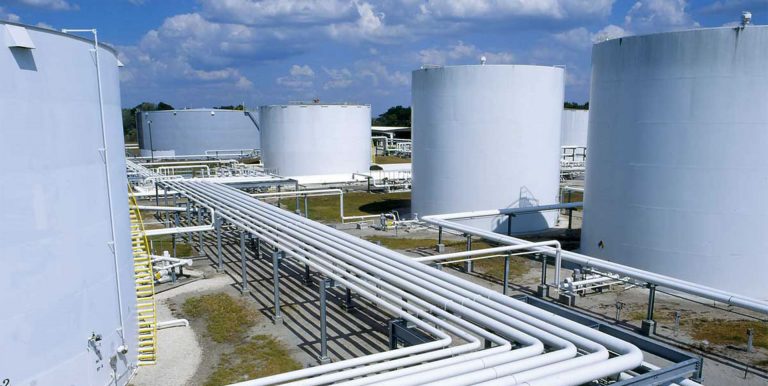
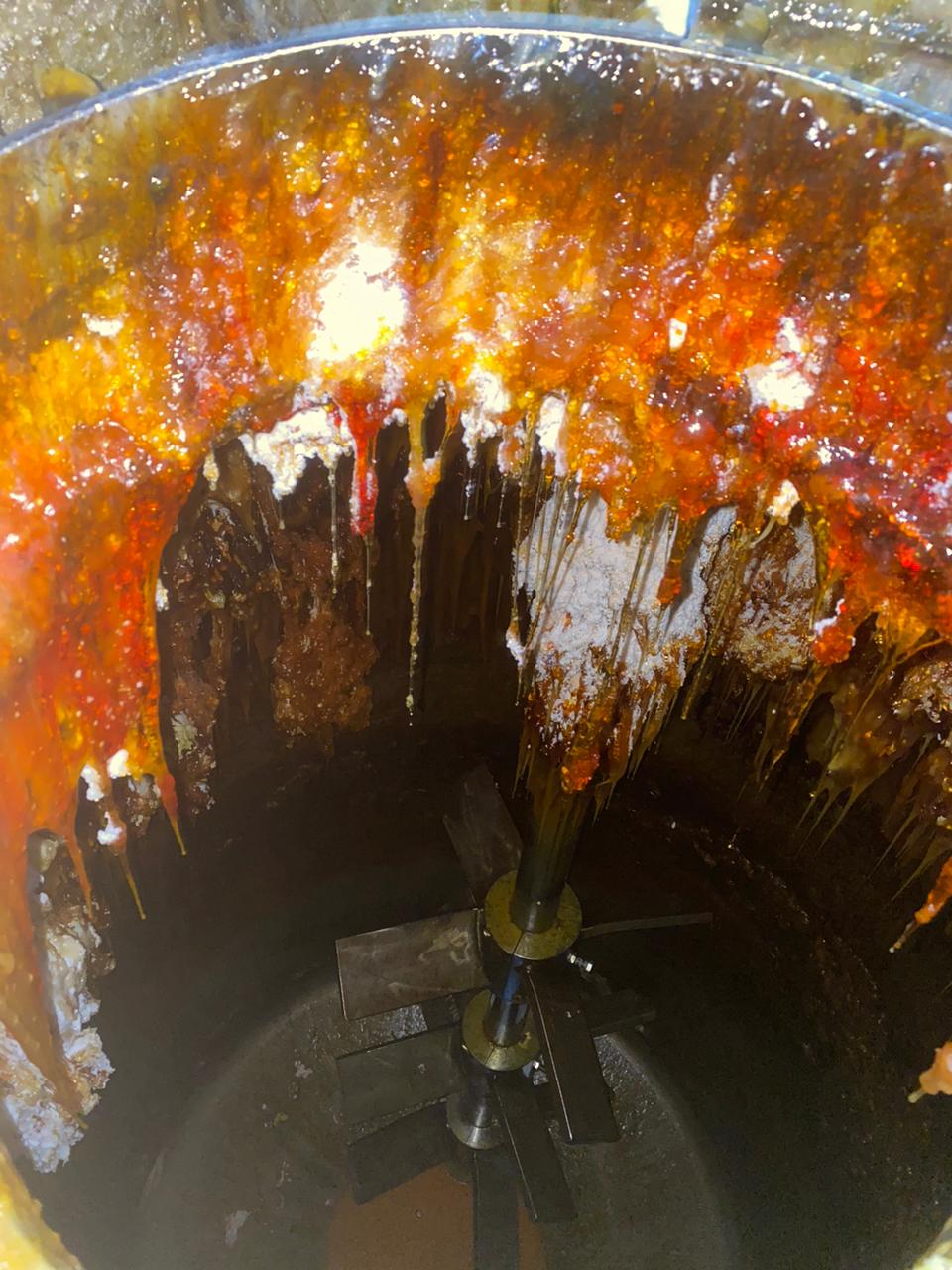
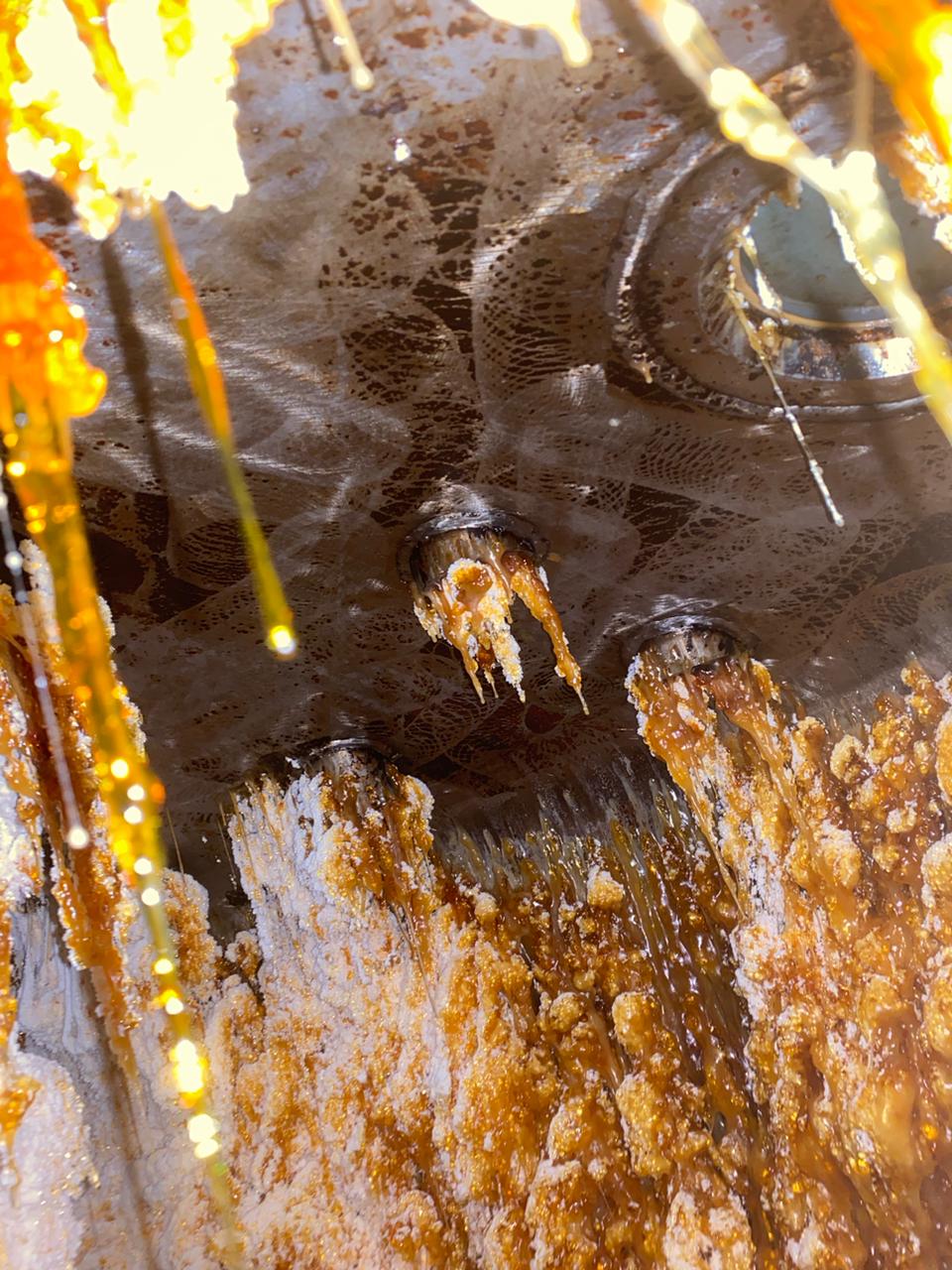
A petrochemical client required cleaning of a medium-sized chemical storage tank with dimensions 3 meters diameter × 4 meters height. The tank contained heavy, sticky chemical residues that adhered strongly to the steel surfaces. Conventional cleaning methods, including manual scraping and chemical solvents, had proven inefficient, costly, and hazardous for operators.
Problem Statement
Residue Type: Highly sticky polymer-like chemical deposits on tank walls and floor.
Challenges:
Manual cleaning was unsafe due to confined space and chemical hazards.
Chemical washing would create secondary waste streams.
The client required a fast turnaround to return the tank to service.
Solution Implemented
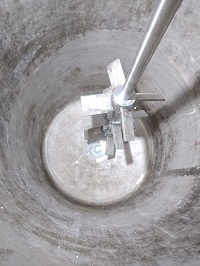
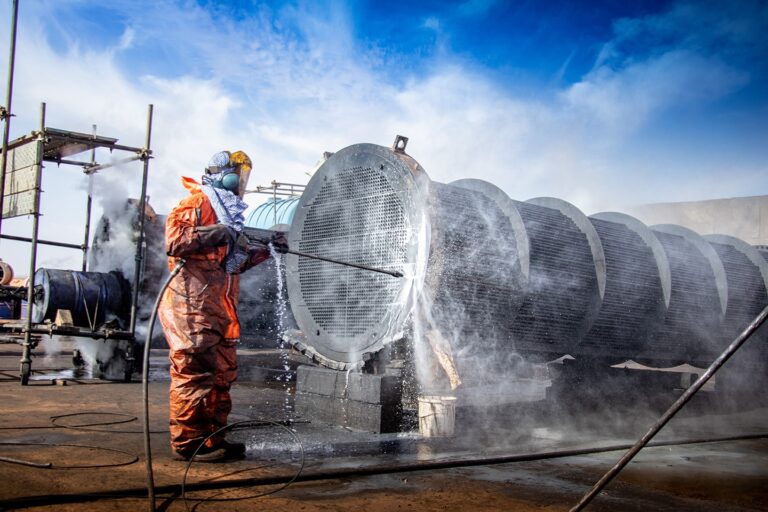
TIPA Petroleum Services deployed Ultra-High-Pressure (UHP) Water Jetting Technology operating at 2,500–3,000 bar. An automated rotary nozzle system was inserted into the tank to deliver 360° cleaning coverage without human entry.
Key steps:
Automated rotary jetting head fixed on a vertical guide for uniform cleaning across the 4 m height.
Variable pressure control to break down thick sticky layers without damaging the steel surface.
Minimal water consumption with a recovery and filtration system to reduce wastewater handling.
No confined space entry, ensuring compliance with HSE standards.
Results Achieved
Cleaning Efficiency: 100% removal of sticky chemical residues in a single operation cycle.
Time Saving: Full cleaning completed within 6 hours, compared to an estimated 2–3 days by manual/chemical methods.
Safety: Zero operator exposure inside the tank.
Environmental Performance: No chemical use; water effluent treated and recycled.
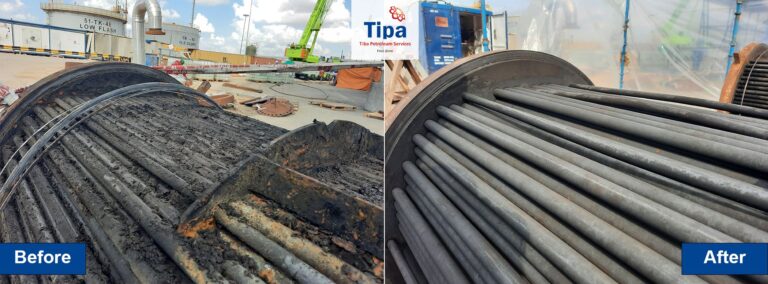
Inspection Ready: Tank surface restored to bare metal, enabling direct inspection and certification.
Conclusion
The use of Ultra-High-Pressure Water Jetting provided the client with a safe, environmentally responsible, and cost-effective cleaning solution. The project highlighted the technology’s ability to efficiently handle sticky, high-viscosity residues in confined storage tanks, while drastically reducing downtime and eliminating health and safety risks.
Before
After