Marine structures and vessels operate in some of the harshest environments, where corrosion, marine growth, and coatings build-up are ongoing challenges. Regular maintenance of ship hulls, decks, and offshore structures is essential for efficiency, performance, and environmental compliance.
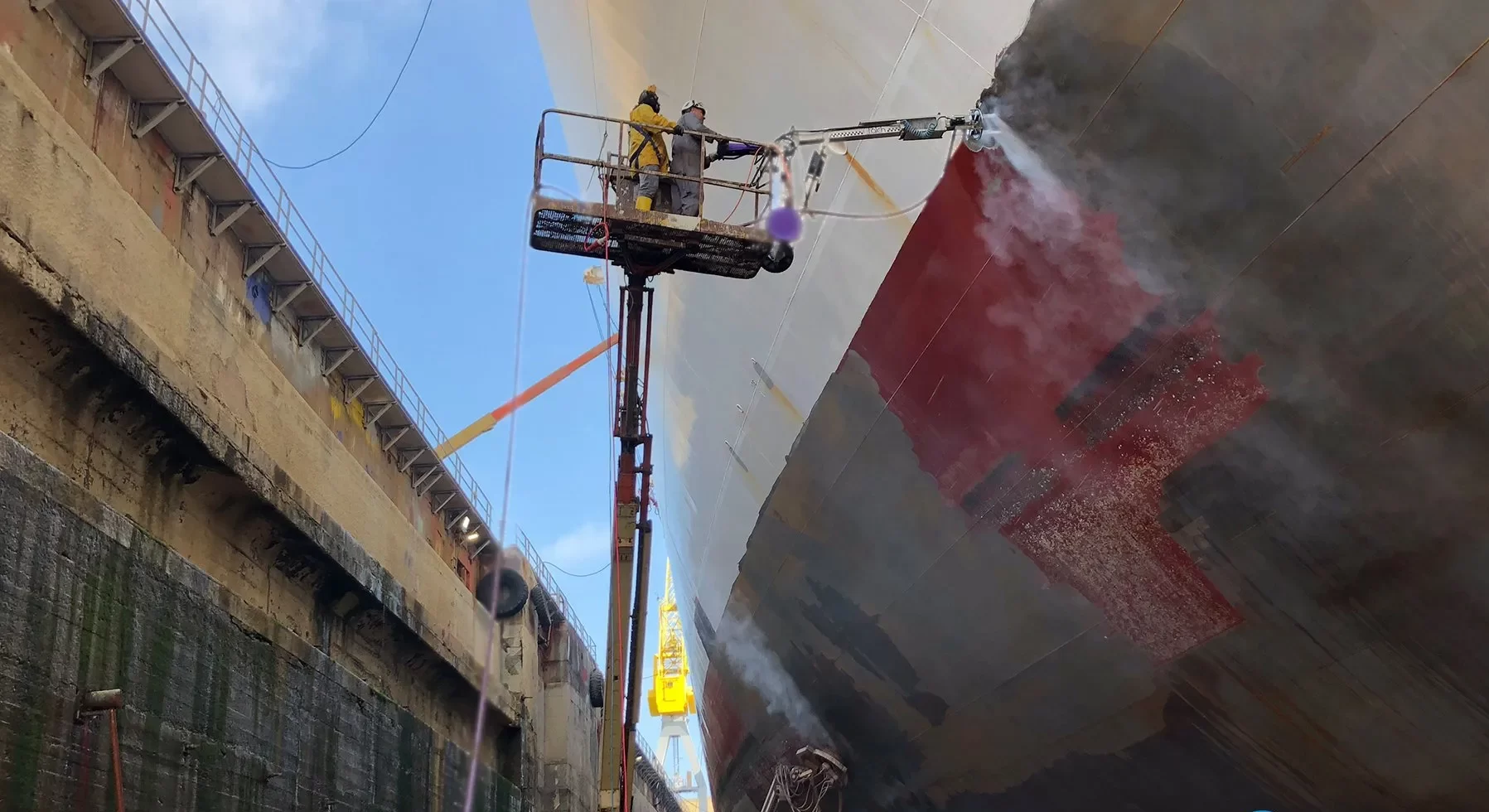
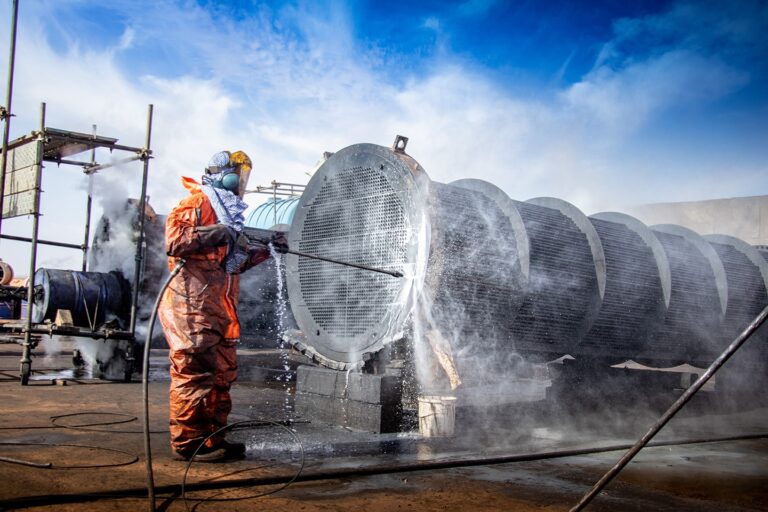
High Pressure Water Jetting (HPWJ) has become a preferred solution for surface preparation, coating removal, and hull cleaning — offering a fast, eco-friendly, and safe alternative to traditional mechanical and abrasive blasting methods.
High pressure water jetting efficiently removes:
Marine growth and biofouling such as algae, barnacles, and shells.
Old paint and coating layers, preparing surfaces for new applications.
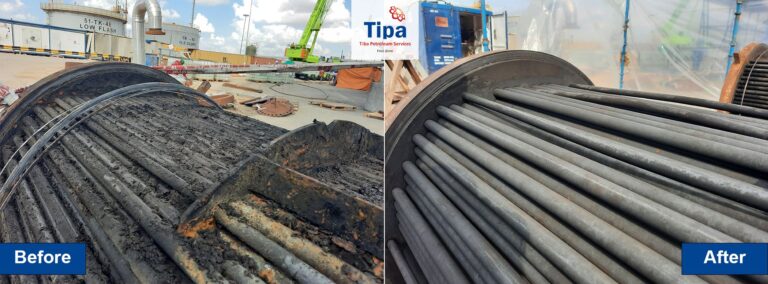
Corrosion and rust deposits, restoring steel surfaces to near-original condition.
By using pressures ranging from 1,000 to 3,000 bar, the method provides deep cleaning without damaging the underlying metal. The clean, roughened surface ensures excellent adhesion for subsequent coatings or antifouling paints.
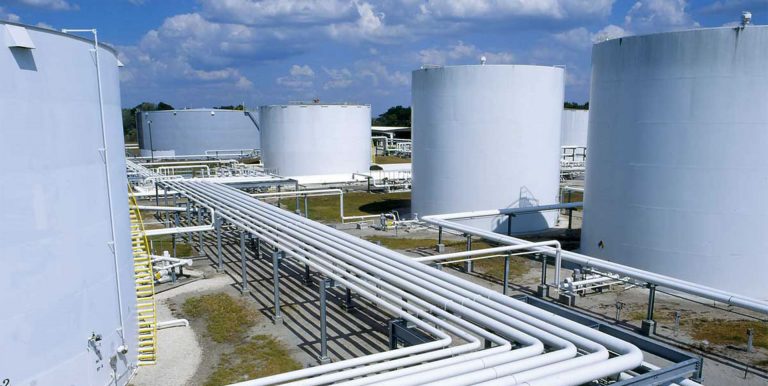
Marine tanks often accumulate sludge, rust scale, and residues from seawater or previous cargo. High pressure water jetting systems, particularly automated rotary nozzles, enable thorough cleaning with minimal confined space entry, enhancing both efficiency and operator safety.
Water jetting is widely used on deck surfaces, risers, and offshore platforms for coating removal and corrosion control. Unlike sandblasting, it produces no dust or sparks, making it safer for use around flammable materials and sensitive environments.
Environmentally Friendly: No abrasive media or chemical detergents required.
High Efficiency: Rapid cleaning and surface preparation reduce downtime.
Safety Focused: Automated and remote-controlled systems minimize human exposure.
Cost-Effective: Reduced waste disposal and minimal surface rework.
Got questions? Ideas? Fill out the form below & our specialist will contact you.